Por favor ayuda a encontrar a Marisol Garza Galván

Standard

marisol

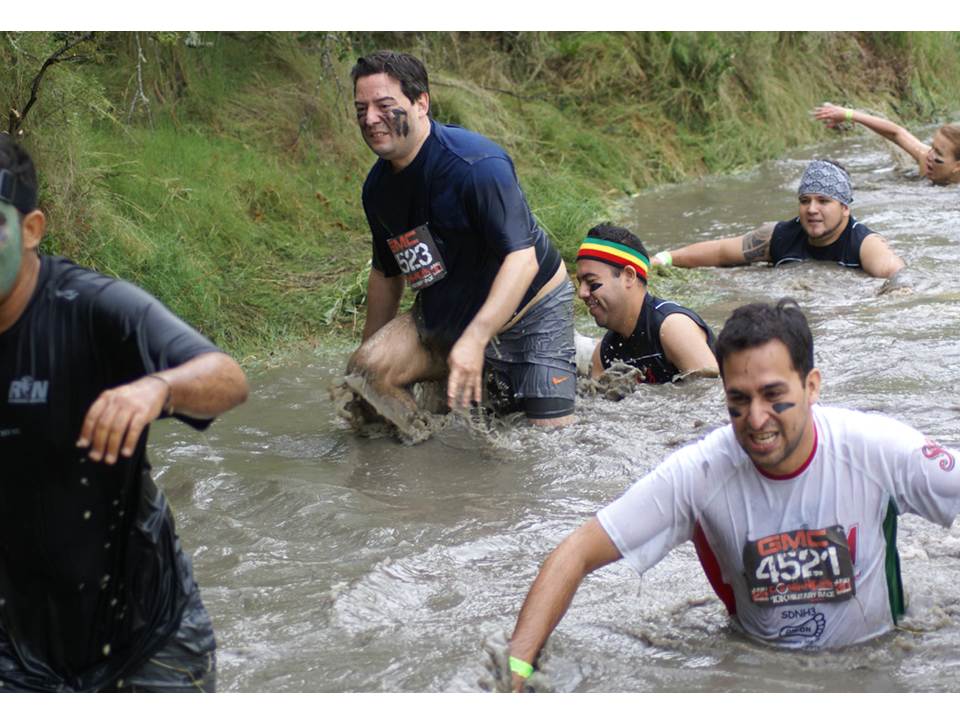
Marisol llegó a Palenque, Chiapas en diciembre del 2012, con la intención de hacer sevicio comunitario en dicha comunidad. El 22 de agosto asisitió al Centro Ecoturístico “Roberto Barrios” y desde entonces se ignora su paradero. Una hipótesis que tiene la familia de Marisol, es que haya caído víctima ante una red de trata de personas. La mamá de Marisol ha comentado a varios medios que la respuesta de Protección Civil y otras autoridades para trabajar este caso, ha sido mínima.

Desgraciadamente, para que las autoridades respondan con sentido de urgencia es necesario hacer el mayor ruido posible sobre el caso y volverlo relevante. Entre más ruido, siento que mayor presión tendrán de responder y hacer un esfuerzo real por que Marisol sea encontrada. Así que les pido a todos quienes lean esto dos cosas:

1) Si tienen cualquier tipo de información sobre Marisol, contacten a la familia (den clic en la imagen y tendrán toda la info de contacto)

2) Compartan el caso de Marisol en sus redes sociales. Hablen del caso. Compartan la imagen. Esto por un lado elevará el nivel de relevancia ante las autoridades y por otro, puede que ayude a que se de con el paradero de Marisol.

En la siguiente liga pueden consultar más detalles del caso: http://www.chiapasparalelo.com/noticias/chiapas/2013/09/madre-regiomontana-busca-a-su-hija-desaparecida-en-chiapas/

De antemano mil gracias.


Safety in Mexico – Get the facts

Standard

You’ve heard the hype… you know about the insecurity story in Mexico. I’ve even written a bit about it on Americas Quarterly. Now, invest a couple of minutes to get a reality check and understand that there’s a lot more to Mexico than what gets to sensationalist press.

Get the facts: http://howsafeismexico.com/ 

Share this please!

Think Equal!

Standard

Cool WorldBank video (thanks ASM for sharing):

It’s that simple. Let’s think equal, but more importantly, let’s ACT equal. In whichever way you can, in your own sphere of influence, promote gender equality.

Don’t fall in the trap of promoting affirmative action. That is not gender equality. I understand that some people feel that in order to change a culture that is submissive towards women you need to force quotas on them. It might work in the surface, but you’re not really addressing the problem. Quotas will not create acceptance or constructive inclusion. They will cause resentment and unequal treatment. Basically, the turn the problem around 180° and provide a unfavorable situation for men. Quotas also condescend women by creating an uneven playing field so that they can excel, as if they did not have the capability to do so by themselves.

Instead of forcing affirmative action, create situations where both men and women are empowered and provided opportunities to thrive based on their merit. Believe me, women will not disappoint you if you do.

Fui Comander… ¡Voy por The Animal Race!

Standard

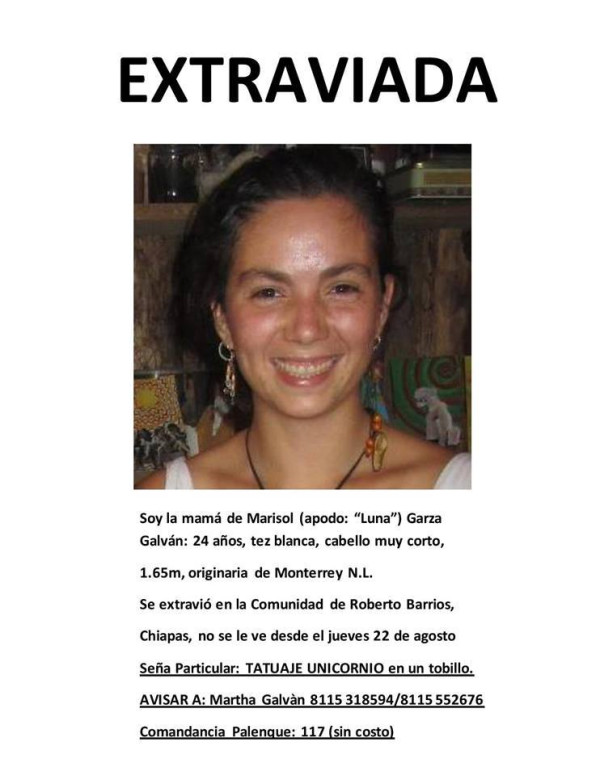
El 30 de junio nos lanzamos a Monterreal para participar en el Reto Comander 2013, una carrera de 10K con 31 obstáculos, a 2,800-3000 mts de altura en un setting natural increíble. Anticipando la llegada de Tough Mudder a Monterrey en el 2014, los corredores del noreste que nos quedamos con ganas de participar en el Spartan Race del DF nos congregamos en San Antonio de las Alazanas con alta expectativa a lo que estábamos por vivir.

Slide16Con la excepción de cuellos de botella en un par de obstáculos, mismos que no se podían evitar por las limitantes que la naturaleza dictaba, Reto Comander fue un EXCELENTE evento que recomiendo a cualquier corredor ávido por emociones diferenciadas. La organización fue impecable y el entusiasmo y ambiente increíbles. Definitivamente valió la pena participar y la producción que implicó llevar a cabo esta carrera justificó cada centavo de su costo. Se nota que la gente detrás de Comander sabe lo que está haciendo (y no lo digo sólo por los tatuajes de IronMan que les vi a varios del Staff).

No tiene par vivir el compañerismo de un corredor que es un completo extraño y te tiende la mano para superar un obstáculo. Así como a mí me ayudaron, en mi trayecto debo de haber apoyado a por lo menos unas cien personas. Por segundos o minutos nos hermanamos, para nunca volver a vernos… sólo porque estábamos en las mismas y los organizadores un día antes nos habían contagiado del “espíritu comander.” Este ambiente me recordó a mis primeras carreras, en las que cuando corredores con más experiencia que veían que bajaba el paso, no escatimaban para compartir palabras de apoyo… o a las carreras en las que corro con carreola y en ascensos no falta el desconocido que te ayuda a empujar. ESTO es lo que más me gusta de correr.

Les comparto un breve video que resume lo que vivimos en Reto Comander:

Definitivamente regreso a Reto Comander el próximo año pero ahora a la que le traigo MUCHAS ganas es The Animal Race y para quienes quieren iniciarse en las carreras o específicamente carreras de obstáculos, promete ser muy buena opción.

Estoy al pendiente de que abran inscripciones para esta carrera que se llevará a cabo el 28 de septiembre en el BioParque Estrella. En su página de internet dice que lo harán la siguiente semana y seguro se les va a llenar muy rápido así que hay que ponernos al tiro. Por lo pronto yo voy a armar un grupo de amigos para ir. En este tipo de eventos, sí les recomiendo correr en grupo. No porque sea necesario hacerlo, sino porque seguramente hará que su experiencia sea aún más divertida.

¿Por qué me gusta The Animal Race?

• Será una distancia muy manejable y que permite a nuevos corredores probarse en este tipo de eventos (será alrededor de 6-7 K).
• Tendrá 15 obstáculos militares y en su página anuncian que 4 de ellos serán con animales. Conociendo a la gente del BioParque, serán obstáculos que cuidarán por los animales pero que a su vez brindarán diversión y reto para los corredores. No se me ocurre que tipo de retos serán pero por lo mismo despiertan mi interés.
• Alquien me comentó que además habrán algunos retos misterio. Buena estrategia dejar algo de info para el asombro de los participantes.
• Para que una carrera de obstáculos sea exitosa, el lugar en que se lleva a cabo es crítico y esencial. ¡El BioParque promete mucho! Naturaleza como en el Comander, ¡sin la desventaja de correr contra casi 3000 mts. de altura!
• Me comentó un amigo que sabe más del evento, que varios de los organizadores son Tough Mudders. Esto seguramente indicará conocimiento que evitará cuellos de botella (que muchas veces son el mayor reto en las carreras de obstáculos).

¿Quién se apunta? Mi mamá siempre dijo que yo era medio animal… ¡es hora de comprobarlo! Jajaja

Les paso ligas del evento:
http://www.animalracemty.com/
https://www.facebook.com/#!/animalracemexico?fref=ts

Cost of Learning

Standard

Excelente blog post de Arturo San Vicente. El liderazgo se da a punta de madrazos…

Arturo San Vicente's avatarArturo San Vicente

I know I haven’t been writing for a long time now, but I just wanted to find a quick way to get back on the horse and share with you something that has worked for me in the last couple of years, to then find out that I’m not alone in this quest.

Some may call it investing, some may call it education, I kicked the tires and called it “cost of learning”.

2 years ago, I had recently graduated form college, was working in a well known corporate office, read tons of books about business and innovation, but it all wasn’t cutting it.

Not that books, a good job and a college degree are not good, don’t take me wrong, I think that these experiences have helped me in a big way in my life. But I still felt like I needed to learn more about business. I could’ve…

View original post 423 more words

Mexico’s New Undead Rapist Mayor-Elect

Standard

Here is a link to my latest article on AQBlog, titled “Mexico’s New Undead Rapist Mayor-Elect“, published on July 12th, 2013. Please feel free to visit and comment. Here is a verbatim copy of it in case you prefer to read it on my personal blog, though I recommend actually going to the site because of additional content, other blogger’s articles, etc.

Yes, you read that title correctly. The small municipality of San Agustín Amatengo in the Mexican state of Oaxaca has recently attracted national attention due to what is likely the strangest story in electoral politics in the country.

On July 7, Lenin Carballido, the candidate from a Partido Acción Nacional (National Action Party—PAN)-Partido de la Revolución Democrática (Party of the Democratic Revolution—PRD)-Partido del Trabajo (Labor Party—PT) coalition, raised his arms in victory after winning the race for municipal president (mayor).

But this should have been impossible: an official death certificate announced Carballido’s demise in 2010 from a diabetic coma.

As national newspaper REFORMA reports, the story is even more complex because investigations suggest that Carballido faked his own death to avoid facing charges of gang-raping a 30-year-old woman in the capital city of Oaxaca in March 2004.

On October 12, 2010, a judge issued a warrant for Carballido’s arrest based on “unequivocal proof that the subject at hand [Carballido], using physical violence, assisted by others and against her will, raped [the woman, whose name was withdrawn].” However, the charges were dropped when a public defender informed the judge that Carballido had died that September and thus, could not be apprehended.

Less than three years later, Carballido was healthy enough to run an effective political campaign and narrowly beat his opponent, Alfredo Jiménez Ordaz, a candidate supported by the Partido Revolucionario Institucional (Institutional Revolutionary Party—PRI) and Partido Verde Ecologista de México (Green Ecologist Party of Mexico—PVEM). Granted, Carballido only beat Jiménez by 11 votes—but it was an impressive result for a guy who had supposedly died three years earlier.

This story, fit for “Ripley’s Believe it or Not”, illustrates Mexican political parties’ lax policies for vetting candidates, as well as those of Oaxaca’s state electoral body, which accepted Carballido’s candidacy. One would expect that criminal background checks would be part of these processes—let alone ensuring that candidates are not officially dead.

Oaxaca’s Congress has asked the state attorney general’s office to re-issue its arrest warrant for Carballido. Since the story became public, the leader of the PRD in Oaxaca, Rey Morales, has told the press that the PRD was “analyzing the situation in order to determine if they can impede Carballido from taking office,” adding that the candidate “deceived the party, electoral authorities and the citizenry.” Lenin Carballido has not been available for comment.

If we’re going to have zombies running around and campaigning, they should at least be subject to our rule of law.

Di no al sedentarismo sampetrino… (y comparte este blogpost)

Standard

El día de hoy desperté a leer la noticia de que la administración del municipio de San Pedro, NL ha decidido romper los compromisos previamente adquiridos con empresas serias como Benavides, Sport City, GNC, Cemex y Nike para autorizarles organizar sus carreras de atletismo 5 y 10 K en los circuitos que normalmente han utilizado, incluyendo tramos de la Avenida Humberto Lobo, Calzada del Valle y Lázaro Cárdenas.
La excusa que dio la administración de Ugo Ruiz para mostrarse como un grupo falto de palabra, por voz de Raúl Alcalá, director de Deportes en San Pedro, fue “Cada lunes, después de cada evento había como 50 quejas (y) llegó un momento en que el Alcalde (Ugo Ruiz) dijo: ‘No estamos en contra del deporte, estamos en contra del desorden.” Esto, damas y caballeros, es una reverenda estupidez.
Aclaro: soy corredor y ello pudiera apuntar a que mis comentarios estén sesgados por mi afición a este deporte. Probablemente lo estén pero aun buscando partir desde un punto de vista de objetividad llego a la misma conclusión. Lo explicaré en las próximas líneas:
• He tenido el gusto de participar en una buena parte de las carreras con las que el municipio ha decidido mostrarse como falto de seriedad y visión. Me consta que todas ellas se llevan a cabo buscando afectar a los vecinos en la menor manera posible.
• El día antes del evento en la entrega de números siempre buscan espacios que cuenten con estacionamientos para que el flujo no se vea interrumpido. Al inicio de las carreras mantienen los megáfonos a volumen bajo.
• Las carreras se llevan a cabo los domingos, temprano en la mañana antes de que la gran mayoría de los carros de la zona estén en circulación. A esas horas los únicos automóviles que están transitando en San Pedro son los de la gente que busca un estilo de vida sano y ha encontrado gusto por el deporte. Independientemente de ello, en TODAS se trazan trayectos que permiten rutas alternas o mantienen abiertos carriles para que el tráfico pueda seguir fluyendo.
• Con la excepción del 21K, que por su distancia requiere más tiempo para recorrer, generalmente para las 10 am las carreras han terminado y se han limpiado los trayectos para que no quede rastro de lo que sucedió ni basura en las calles. Es más, es gracias a las carreras que dichas avenidas reciben continuamente servicios de limpieza. Humberto Lobo específicamente, nunca luce tan limpia como después de una carrera.
• El Sr. Alcalá menciona que recibe 50 quejas después de cada carrera. Supongo que esas quejas son de personas con suficiente apellido y renombre para que le den la importancia que les han dado, ya que si su termómetro fuera sólo el número, con gusto le consigo no 50 sino miles de quejas de todos los corredores que han sido agraviados por esta decisión miope. Y el argumento imbécil de “los corredores que participan en estos eventos no son residentes del municipio” (que ya he escuchado de personas en la administración Sampetrina) no sólo es falsa sino que es una prueba más del egoísmo elitista que ha caracterizado a recientes administraciones y que ha validado la estratificación social que hoy nos aqueja. Sigan siendo asombrados por la emergencia de ‘lords’ y ‘ladies’… en San Pedro es semillero.
• Una de las responsabilidades del gobierno es la promoción de estilos de vida saludables. El deporte es un gran componente dentro de este objetivo. Y a menos que hayan decidido que los logros de Don Benito Juárez ya no merecen lugar en la vida de los mexicanos, otorgar privilegios injustificados a las instituciones religiosas y sus feligreses que violan los reglamentos y leyes vigentes (de cualquier denominación), no está dentro de las tareas de las autoridades municipales. Mientras que deciden afectar a los deportistas por “desorden” y por 50 quejas, las administraciones panistas han de manera sostenida solapado la inconciencia y el desorden de quienes se estacionan en doble fila o sobre cordón amarillo para asistir a misa… la Iglesia de Mater, sobre Avenida Vasconcelos con patrulla estacionada enfrente en horarios de entrada y salida a misa, es la campeona en este tema. Dicho templo tiene espacio para a lo mucho 4 cajones de estacionamiento y cada sábado y domingo, los mismos vecinos que se quejan de los corredores no tienen ningún problema con abarrotar calles como Calzada el Rosario, la misma Humberto Lobo o peor aún, ocupar estacionamientos de establecimientos comerciales en detrimento de sus clientes. Ante esto, las autoridades municipales no sólo se hacen de la vista gorda, sino que facilitan el abuso. Estas personas, a diferencia de los corredores que estacionan sus carros en espacios permitidos, semanalmente violan el reglamento de vialidad y tránsito y no lo hacen a las 7 de la mañana cuando no hay tráfico (y ni vale la pena entrar en discusión respecto a las peregrinaciones que toman avenidas de alto flujo durante diciembre y son acompañadas por patrullas policiacas).
• Dice la administración que no está en contra del deporte sino del desorden. Si es así, ¿por qué sacar del circuito a aquellas carreras que por su trayectoria, tradición, recursos y seriedad de las empresas que las promueven, son las que mejor ejecutan las carreras? Un lector del periódico EL NORTE menciona (y estoy de acuerdo) que la carrera más invasiva y que provoca mayor agravio a los vecinos, es la Carrera Duendes. Sin embargo, quienes organizan dicha carrera son los colonos y están en directa asociación con el municipio. La carrera atrae a miles de personas y especialmente en su versión 5K que empieza más tarde que todas las carreras serias, es un imán de personas que no son deportistas pero que aprovechan este espacio “para que los vean.” Se trata de un evento social, cubierto por los medios banales y plagado de los socialité… de los mismos ‘lords’ and ‘ladies’ de los que tanto nos hemos quejado. Y sin embargo, esta carrera es inmune a los reveses de la administración de Ruiz, como también lo es el “San Pedro de Pinta” que se apodera de Calzada del Valle y lo abarrota de comerciantes todos los domingos y no sólo hasta las 10 am.
• Además de promover el deporte, las carreras son motores de consumo e inyección de recursos para el municipio. Es común ver después de una carrera abarrotados los restaurantes, expendios de tacos, de jugos, etc. Adicionalmente, inyectan clientes a gimnasios de la localidad, promueven venta de artículos y ropa deportiva, bebidas hidratantes, etc.
• Si eres el tipo de persona con corazoncito blando, muchas de las carreras vetadas de San Pedro donan sus utilidades a causas de beneficencia. Nike históricamente ha promovido la reforestación, la carrera de Cemex subsidia los programas de responsabilidad social de dicha empresa y Benavides ha adoptado la causa del combate al cáncer de mama. Supongo que a la administración del Sr. Ruiz le es más prioritario atender a un par de vecinos que no entienden que hay actividades que se promueven a favor de los más aun cuando esto incomode a los menos.
En resumen: que efectivos son para escuchar a 50 quejosos. Los felicito por darle en la madre al deporte en pro de ellos. Yo creo que esos 50 serán votos muy útiles en próximas elecciones.

Mexico’s Response to the San Pedro Xalostoc Highway Accident

Standard

Here is a link to my latest article on AQBlog, titled “Mexico’s Response to the San Pedro Xalostoc Highway Accident“, published on May 15th, 2013. Please feel free to visit and comment. Here is a verbatim copy of it in case you prefer to read it on my personal blog, though I recommend actually going to the site because of additional content, other blogger’s articles, etc.

It was 5:30 am on Tuesday, May 7, when a “full trailer” truck (which can carry loads up to 75.5 tons) transporting LP gas skidded off the Mexico City-Pachuca highway, exploded and caused a horrific tragedy, resulting in over 20 deaths and structural damage in the settlement of San Pedro Xalostoc, Ecatepec.

Initial investigations from authorities have determined that the cause of the accident was human error on the driver’s part. They’ve also stated that both the company and the transport unit involved were registered and verified and met maintenance and security standards. The gas company involved has already declared it will fully cooperate with the government’s investigation and, if deemed responsible for the tragedy, will pay damages.

Unfortunately, for a federal government concerned more with appearances than substance, this is not enough. Vast coverage on national media has urged President Enrique Peña Nieto’s team—through the Secretaría de Comunicaciones y Transportes (Ministry of Communications and Transport—SCT)—to seem like it is on top of things by pledging to prioritize reforms that will prevent accidents like this one in the future, no matter the collateral damage of those reforms.

Anyone who has driven down U.S. and Mexican highways can attest that Mexican highways are inferior and more dangerous. The materials used in Mexico are substandard and make roads slippery. Road development and maintenance are also terrible: highways have too few guardrails, too many potholes, poorly planned intersections, terrible signaling, and sharp inclines on dangerous curves. Many of our highways have tolls, but you wouldn’t know it from their disrepair. Moreover, there is no effective urban planning. In many cases, highway speed limits are set without consideration for residential areas near the road. Houses built within 165 feet (50 meters) of a non-protected high speed highway are normal in Mexico.

But none of these shortcomings, which cause close to 30,000 accidents a year on Mexico’s highways, have influenced the SCT’s populist response to the tragedy. Here’s why: first, mentioning them could be interpreted as an acceptance of co-responsibility in the San Pedro Xalostoc tragedy. Second, addressing these situations is hard work and would demand additional government spending. Instead, the SCT has resolved to revise NOM-12-SCT-2-2008—the norm that allows 75.5 ton trucks to transport goods throughout the country. Revisions to the regulation are expected to be in place by May 31 and will likely prohibit what are commonly referred to as “full trailers” on Mexico’s highways.

If this does happen, the federal government will have made yet another populist decision; common folk hate full trailers. They are a nuisance to drivers and are slow and hard to pass. They are also harder to control and to drive than a normal sedan. Yet, prohibiting the 75.5-ton truck will cause more damage rather than actually solving the problem.

According to SCT, full trailer trucks are involved in 3 percent of registered accidents and 2.2 percent of fatalities on highways. This is partly because drivers of any 75.5-ton vehicle need special training and certifications; on the contrary, the process to get a normal driver’s license in Mexico sometimes doesn’t even require a road test and renewals are done through simple paperwork. Experts drive trailer trucks, amateurs drive everything else.

As the Xalostoc tragedy shows, trailer truck drivers are not immune from having accidents, but the numbers put the frequency of trailer truck accidents in perspective. Outlawing full trailer trucks will not make highways significantly safer.

Moreover, given their cost efficiency, 75.5-ton trailers are used by practically all of Mexico’s large industries to transport raw materials and finished products. Changing NOM-12-SCT-2-2008 could double logistics costs for companies such as Soriana, Bimbo, FEMSA, and others. Companies will only have two options to offset cost increases: raise the prices of consumer-goods and/or cut other fixed costs (financial business jargon for massive layoffs). Neither option is good for Mexicans, but it is unlikely that many will draw the parallel to equate the SCT decision with higher prices and/or layoffs.

The suffering and loss from the Xalostoc tragedy is no small thing. Emotions are high and people want to point fingers. The Mexican people have an impulse to find someone to blame and make them pay; that’s understandable. But to solve the real problems we face, Mexico does not need a government that opts for populist decisions to put out media fires and appease its constituents. It needs a government that creates and implements effective solutions.

At a time when economic slowdown is set to burst Peña Nieto’s miracle bubble, the government should be looking for ways to catalyze industrial growth and performance, not hinder it in exchange for a positive news headline.

Obama and Peña Nieto Focus on the Economy Over Immigration and Security

Standard

Here is a link to my latest article on Americas Quarterly, titled “Obama and Peña Nieto Focus on the Economy Over Immigration and Security“, published on May 7th, 2013. Please feel free to visit and comment. Here is a verbatim copy of it in case you prefer to read it on my personal blog, though I recommend actually going to the site because of additional content, other articles, etc. Thanks for visiting my blog!

—–

Building up to their meeting in Mexico City on May 2, the administrations of both U.S. President Barack Obama and Mexican President Enrique Peña Nieto hinted that economic ties would be the focal point of their one-on-one meeting. In an interview with Americas Quarterly prior to the trip, Obama reiterated this, saying that he would “be discussing with President Peña Nieto how we can continue to reduce barriers to trade and investment.”

With commerce and economic cooperation pushing immigration and security to the backburner of the agenda, the two leaders made a strategic decision to avoid some of the more difficult issues gripping each country.

It comes as no surprise that the two leaders would want to play it safe. There is just too much at stake in the countries’ economic interdependencies: Mexico is the United States’ third-largest trading partner, while the U.S. is Mexico’s largest trading partner. These ties have grown stronger (and Mexico’s asymmetrical dependence on the U.S. economy has grown larger) since the North American Free Trade Agreement (NAFTA) was put into place, and pave the way toward even greater cooperation under the auspices of the Trans-Pacific Partnership, which could be completed by the end of this year.

Moreover, there would be no political gain for either Obama or Peña Nieto with a focus on security and/or immigration.

On immigration, President Obama does not have the leeway to promise anything or deliver on that promise as comprehensive immigration reform will depend on the extent to which the U.S. Congress can continue to work in a bipartisan manner in the months ahead.

In Mexico, Enrique Peña Nieto has not been as vocal as his predecessors about the urgent need to tackle the immigration problem perhaps because he understands that a vocal push for reform from the Mexican president may be seen as foreign meddling in what is often seen as a domestic issue. Like all Mexican presidents, he has used the scripted language about defending our countrymen’s rights outside of our borders. But he has not committed to steps such as requiring proper documentation for travelers along Mexico’s southern border that would help reduce the number of Central Americans who illegally cross into Mexico on route to the United States.

At the same time, agreement and mutual understanding on how to improve security is not the same as when the Partido Acción Nacional (National Action Party—PAN) was in power. Former Mexican President Felipe Calderón was more willing to work hand-in-hand with U.S. authorities on security issues, with U.S. drone planes often flying over Mexico’s national borders and information exchange and training common between U.S. and Mexican law enforcement officials. These practices are now under scrutiny by Peña Nieto. His administration has recently announced plans to reevaluate Calderón’s war on drugs strategy, including an intention to “restrict U.S. involvement in [Mexico’s] security efforts.”

Peña Nieto’s stated reason for reassessing Mexico’s security strategy is to focus on reducing violence rather than continuing a head-on war against the cartels. However, for a president still struggling with establishing legitimacy, and aware that the largest stain in Calderón’s legacy was the close to 70,000 deaths related to the war on drugs, it is also an intelligent political choice to throw a disappearing cloak over the issue of security. His priority is to focus the public’s attention on quick wins and success stories.

Obama, for his part, faces few domestic pressures when it comes to Mexico’s security issues and must justifiably focus his attention on Syria, North Korea and domestic challenges. When Obama was asked about security collaboration after his meeting with the Mexican president, his statement that “the nature of that cooperation will evolve” and that Mexico and the U.S. would “cooperate on a basis of mutual respect” is no coincidence. This is definitely a step back from what Obama referred to as “a shared responsibility” in 2009.

During their photo-op after Thursday’s meeting, Obama tried to focus on the commitments that he and Peña Nieto made for economic development. “Too often, two issues get attention: security or immigration,” he said. Unfortunately for both Mr. Obama and Mr. Peña Nieto, there is a reason for that: these issues are closer to constituents’ hearts than the promise of better macroeconomic levels, which may or may not trickle down and actually improve their daily lives.

The promise of a closer trade relationship, joint investment on competitiveness and a forecast of economic growth for both countries should positively affect the security environment in Mexico and the future flow of undocumented immigrants to the United States. But bilateral agreements on how to frame a common strategy to tackle both of these critical issues will have to wait for another day.